The Last Open Shutter
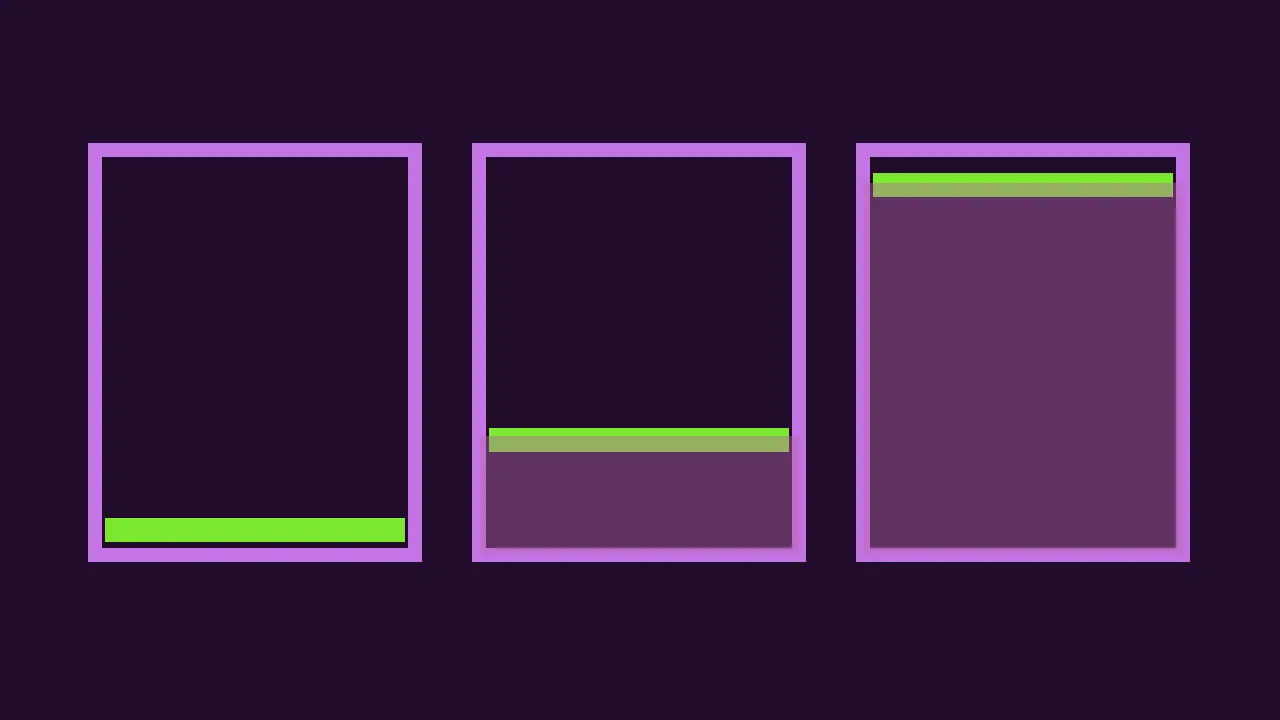
In The Unlit Procession, a stall holder is about to close the last shutter near the square. The investigator can spend the current interval asking about a lamp or use it to look behind the stalls. The useful question is whether the player can tell what each choice leaves for later. Dusk should narrow one conversation before it changes the entire map.
Make the opening interval visible
Draw two open shutters, a small group by the oak and a walking path beyond the stalls. One witness is preparing to close. Another has already left their table and can be found on the road. Put the last chance to visit the stall in the schedule next to the location. The player should be able to check that without clicking on a person first, although an initial question can make the reason for leaving clear.
Try a version that announces the interval as ordinary text and another that uses the current picture plus a short figure caption. Keep the same paths and opportunities. Ask which witness will still be available after one move. The art can show the progression of the afternoon, but the available choices need to be readable even if someone cannot distinguish a darker patch of sky from the previous drawing.
Offer a real choice before the change
The investigator can ask the stall holder what they heard or inspect the lamp itself. A response from the stall makes the time of a crossing easier to place. Looking at the lamp identifies a feature the investigator can use with a different witness on the road. Both actions create evidence. They should produce different next steps instead of silently giving the player all of the same facts before the procession continues.
Advance the interval after the chosen action. On the new view, the shutter is closed and the person who left it appears farther along the road. The transcript says when the last conversation took place. Someone who inspected the lamp should still be able to use that information. A shortened route around the closed stall can keep the case moving, even though it postpones a particular question.
Test the meaning of a missed conversation
Once the person moves on, invite the player to identify what they missed. If they can name the person and what they wanted to ask, the timing likely made a meaningful decision. If they blame an unknown timer, ensure the last available interval is stated clearly. If they expect to ask both questions without moving, make the cost of walking behind the stalls explicit in the route sketch.
Try a run where the investigator asks the person on the road first. The closed shutter changes access and atmosphere in the same way, with a different record of what was already learned. The design can place an alternate stop farther ahead without recreating the old interview at that stop. Someone who planned for a missed question should see that planning matter later.
Keep the deadline understandable in the next case
Check the same notice after dusk. The archive should still say which interval it described.
Write down which future move each player expected to have. The available records should make the answer clear in a review even when a player missed the first clue while reading another statement. Two Views of One Stall asks what that witness could see before leaving. What the Oak Kept applies a similar window to the person who carried the shard. Compare both cases to see whether timing labels work for a place and an object without changing what they mean.