Two Views of One Stall
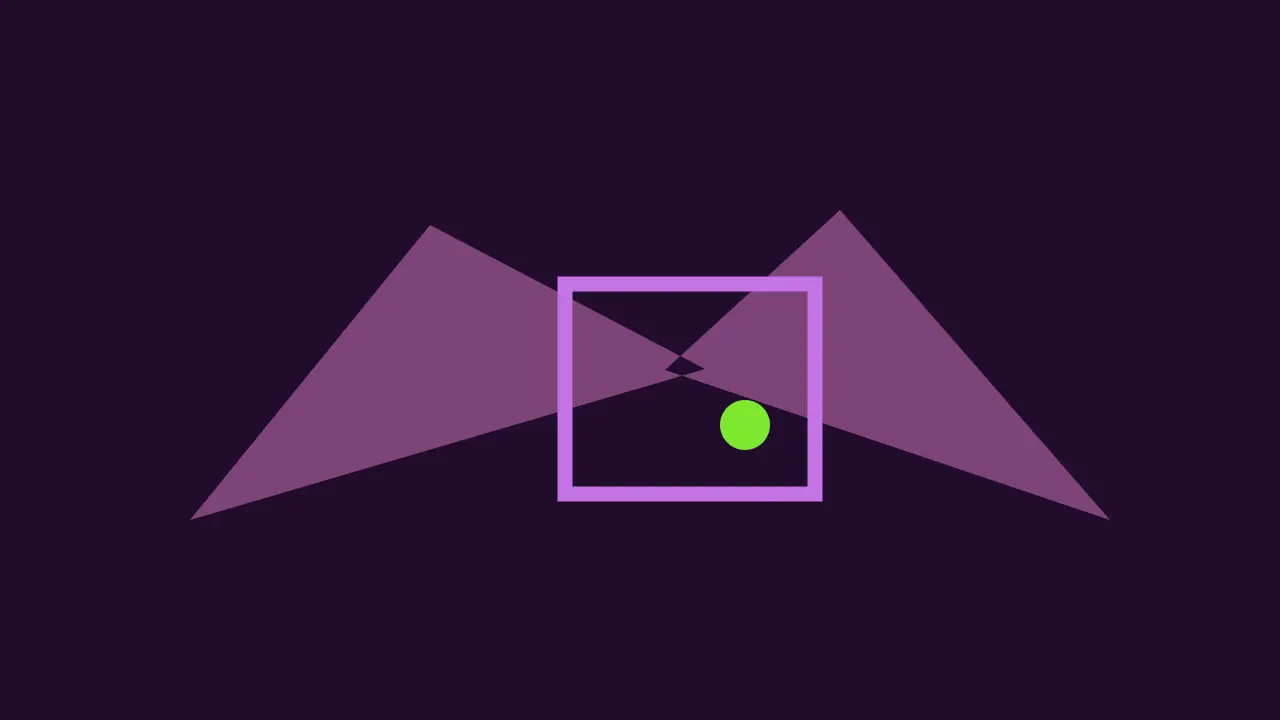
Two witnesses in The Unlit Procession agree that someone stopped by the stall near the oak. They disagree about what the person was carrying. Before deciding which witness is reliable, the investigator can check the view from each side of the stall. A description can be inaccurate without being invented, and both people may identify a part of the same movement.
Set the stall in the middle of the evidence
One witness stands where cloth hangs between the road and a doorway. They can see the person’s feet and the lower corner of a carrying basket. Another stands beside the doorway and can see a folded object in one hand. Their point of view is clearer about the upper part of the scene and less useful for working out whether the person stopped or simply passed the stall. Each statement belongs to a part of what happened.
In the first test, the player can visit both positions before hearing the second account. Keep the object and the cloth still. Ask what would be visible from each point, then let the witness describe the scene. This sequence may make the missing part of a clear statement easier to notice. Another version starts with both statements and gives the player a reason to check the actual view afterward. Both keep the shape of the square available.
Let the record hold a partial agreement
The journal separates the time, place and action a person described. It can show that the witnesses agree on where a movement crossed the road. Their statements about the object can remain open. If the interface asks only for agreement or contradiction, a player may be forced to discard the parts they have good reason to keep. Let them record an agreement about position and a separate concern about what changed hands.
Compare a short mark attached to each disputed part with a separate column for questions. The mark can make contradictions easier to spot, but it can also draw attention away from the agreement. A question column permits a more precise phrase such as whether the folded object came out of the basket. The player should be able to act on whichever form produces a clear follow-up in the smallest useful space.
Change the view without changing the account
Move the cloth in one version of the scene and ask another group to compare the statements. The person beside the doorway still gives the same account. More of the basket is now visible from the road. Observe whether the player changes which question they want to ask. If the position makes no difference, the drawings may not have established what the witnesses could see before their answers were given.
For another run, keep the cloth still and move the second witness. Let the first account stay as it was. A player who expects both records to update may be treating the journal as a view of the present rather than a record of earlier observations. Add a view time where it can be read beside the witness name and repeat the test.
Read the pair back aloud
Before collecting the answer, hide the example map and ask the player to reconstruct the two places using the names that appear in the record.
Ask someone to recount both statements without deciding who was truthful. They should be able to say what each person saw and what still needs checking. For the separate problem of who held an object, see What the Oak Kept. The Strip and the Shard follows a related pair of observations through a longer chain of accounts.